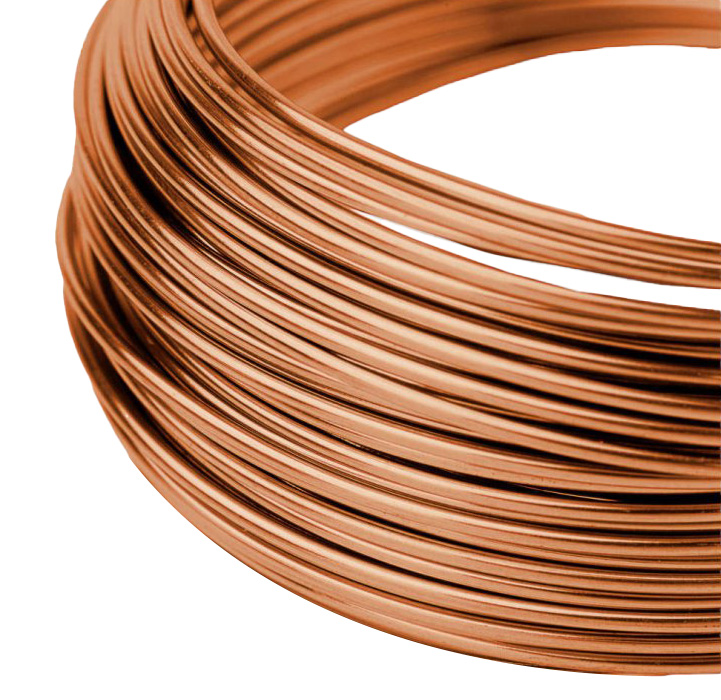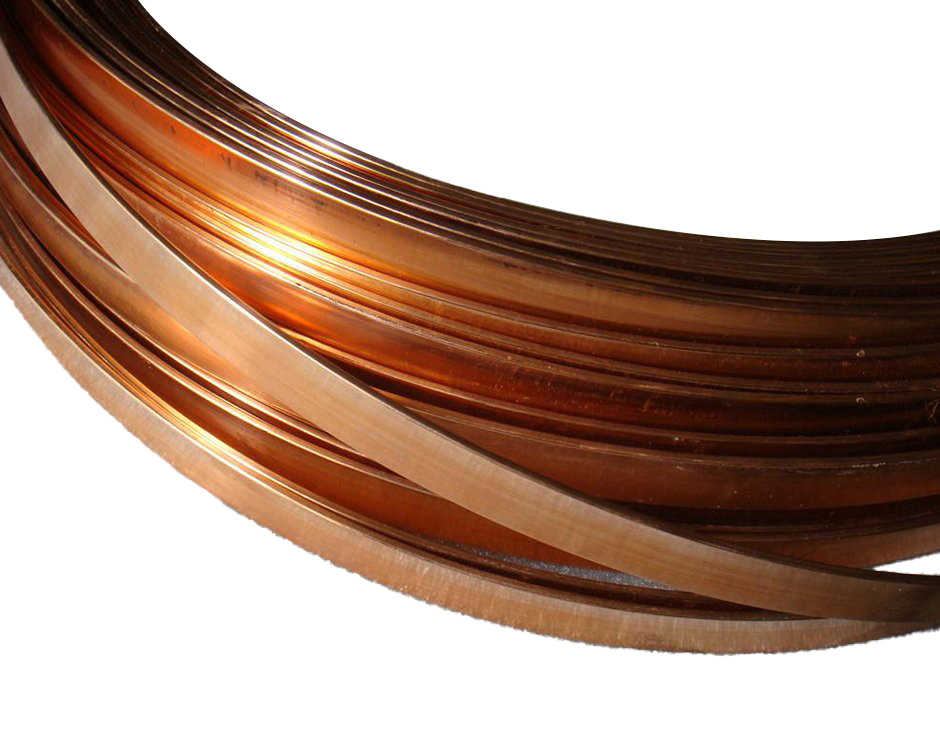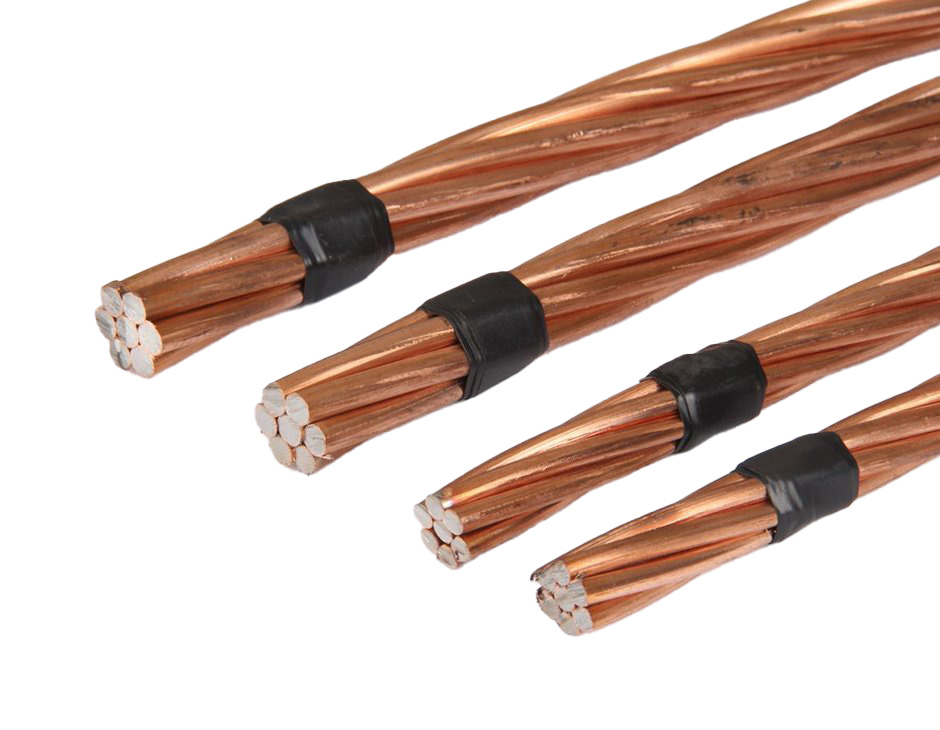
Copper bonded down conductor wires with steel or aluminium core. Cost-effective alternative to solid copper wires for lightning protection down conductors and earthing systems. Available in copper-steel bonded and copper-clad aluminium variants. NFC 17-102, IEC 62305 and EN 50164 compliant.
Copper bonded wires combine a steel or aluminium core with an outer copper bonding layer. They provide the conductivity and corrosion resistance of copper at significantly lower cost and weight than solid copper conductors. Copper-steel bonded wires are the standard choice for down conductor applications; copper-clad aluminium offers a lighter-weight option where weight is a consideration.
All variants are available in multiple cross-sections to meet IEC 62305-3 minimum requirements for down conductors. The copper bonding layer is applied by electrolytic process ensuring consistent coverage and adhesion throughout the conductor length.
| Reference | Dimensions (mm) | Material | Weight/m (kg) |
|---|---|---|---|
| OLT-230D | 7 × 1000 × 7 | Steel / Copper | 0.30 |
| OLT-231D | 8 × 1000 × 8 | Steel / Copper | 0.47 |
| OLT-232D | 10 × 1000 × 10 | Steel / Copper | 0.60 |
| OLT-233D | 13 × 1000 × 13 | Steel / Copper | 0.95 |
| OLT-234D | 7 × 1000 × 7 | Steel / Copper | 0.34 |
| OLT-235D | 8 × 1000 × 8 | Steel / Copper | 0.43 |
| Reference | Dimensions (mm) | Material | Weight/m (kg) |
|---|---|---|---|
| OLT-236D | 7 × 1000 × 7 | Copper / Aluminium | 0.17 |
| OLT-237D | 8 × 1000 × 8 | Copper / Aluminium | 0.21 |
| OLT-238D | 10 × 1000 × 10 | Copper / Aluminium | 0.27 |
| OLT-239D | 13 × 1000 × 13 | Copper / Aluminium | 0.43 |
| OLT-241D | 7 × 1000 × 7 | Copper / Aluminium | 0.15 |
| OLT-242D | 8 × 1000 × 8 | Copper / Aluminium | 0.19 |
Custom cross-sections available on request. Weights shown per 1000mm.
| Material & Construction | |
| Core Options | High-strength steel (bonded) or aluminium (clad) |
| Copper Layer | Electrolytic copper bonding — uniform coverage |
| Advantage vs Solid Copper | Lower cost, lighter weight — suitable for long down conductor runs |
| Performance | |
| Copper Thickness | 254µm — exceeds IEC 62561 minimum of 250µm |
| Conductivity | Suitable for down conductor applications per IEC 62305-3 |
| Weight Advantage | Copper-clad aluminium is ~40% lighter than solid copper equivalent |
| Compliance & Standards | |
| Primary Standards | NFC 17-102:2011 · IEC 62305-3 |
| Component Standard | EN 50164-2 · IEC 62561 |
| CE Marking | Yes |
| Applications | |
| Primary Use | Earth termination system for lightning protection systems |
| Advantage vs Solid Copper | Lower cost, higher mechanical strength — suitable for hard and rocky soils |
| Soil Suitability | All soil types — use with ORBetter® in high-resistivity soils |